Jan Markiewski
Computational Research
most of my lab work happens at the bench, but a meaningful fraction of it never touches a pipette. across four independent pipelines, over 11,000 lines of R, i've built the computational side of this research: differential expression analysis with DESeq2, single-cell clustering and annotation with Seurat, pathway enrichment through GSEA and fgsea, and transcription-factor activity inference with VIPER and DoRothEA.
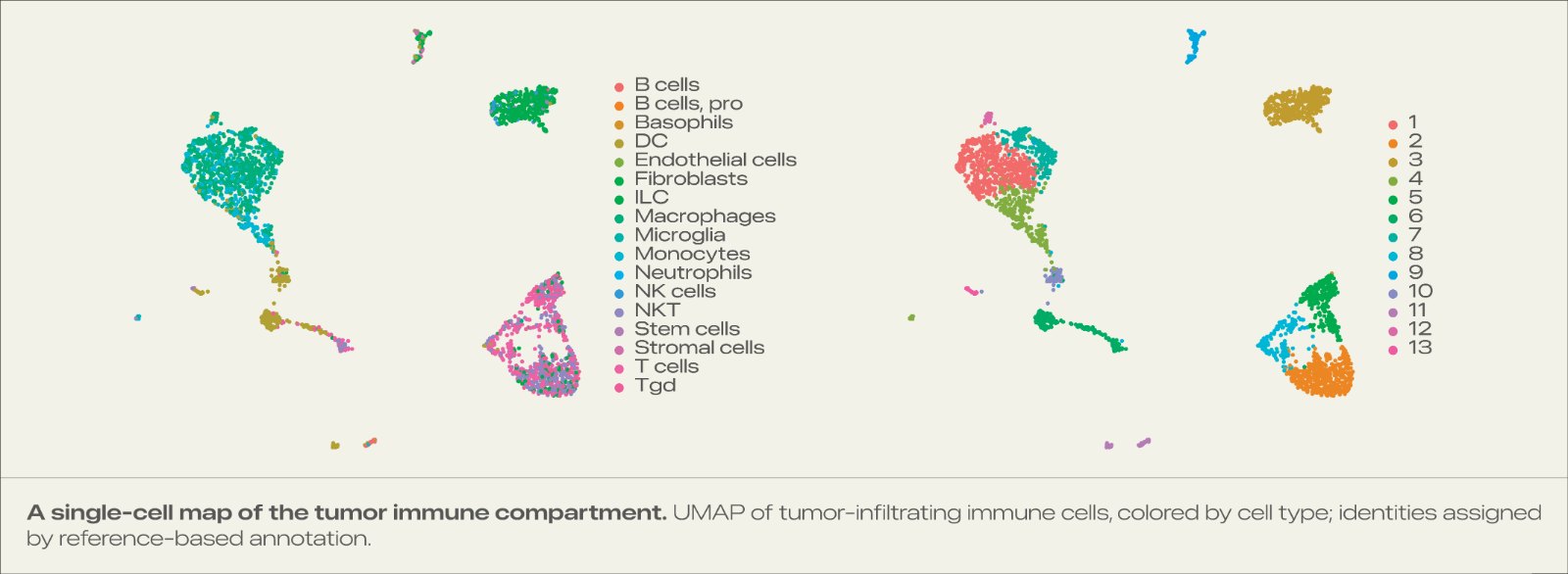
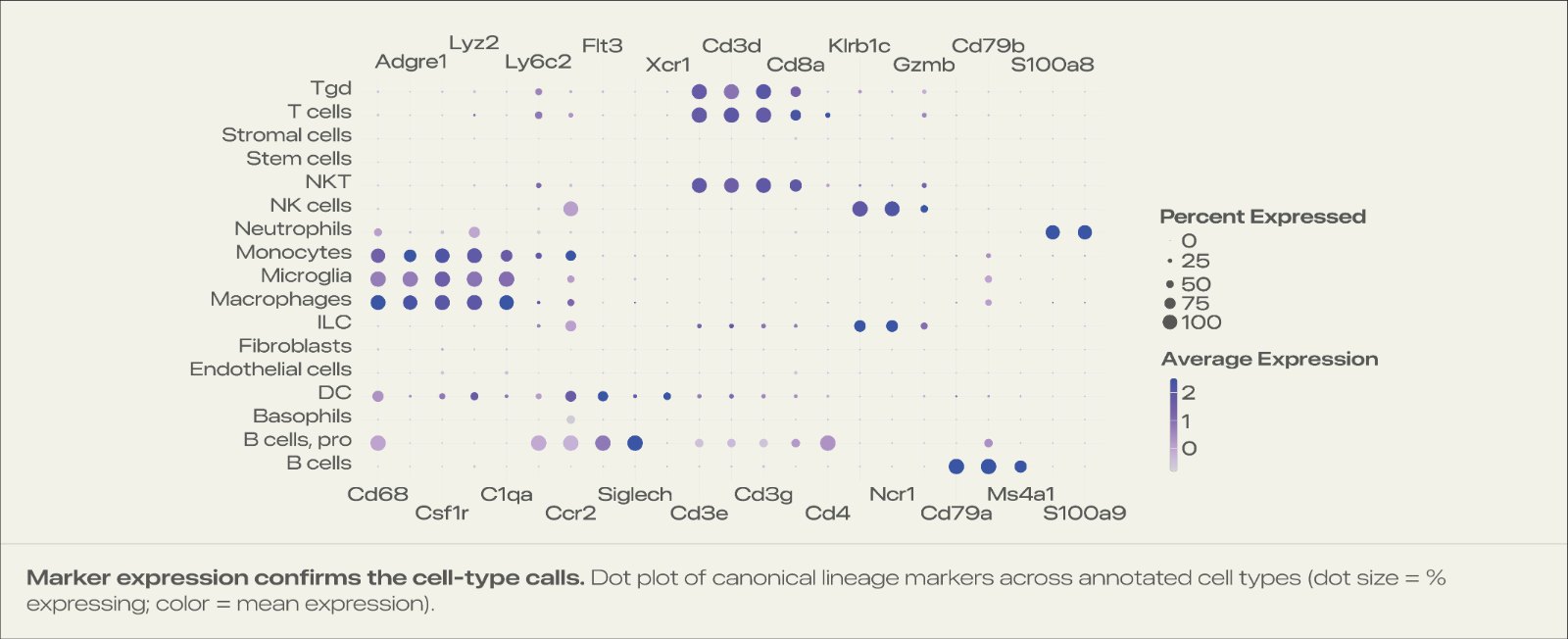
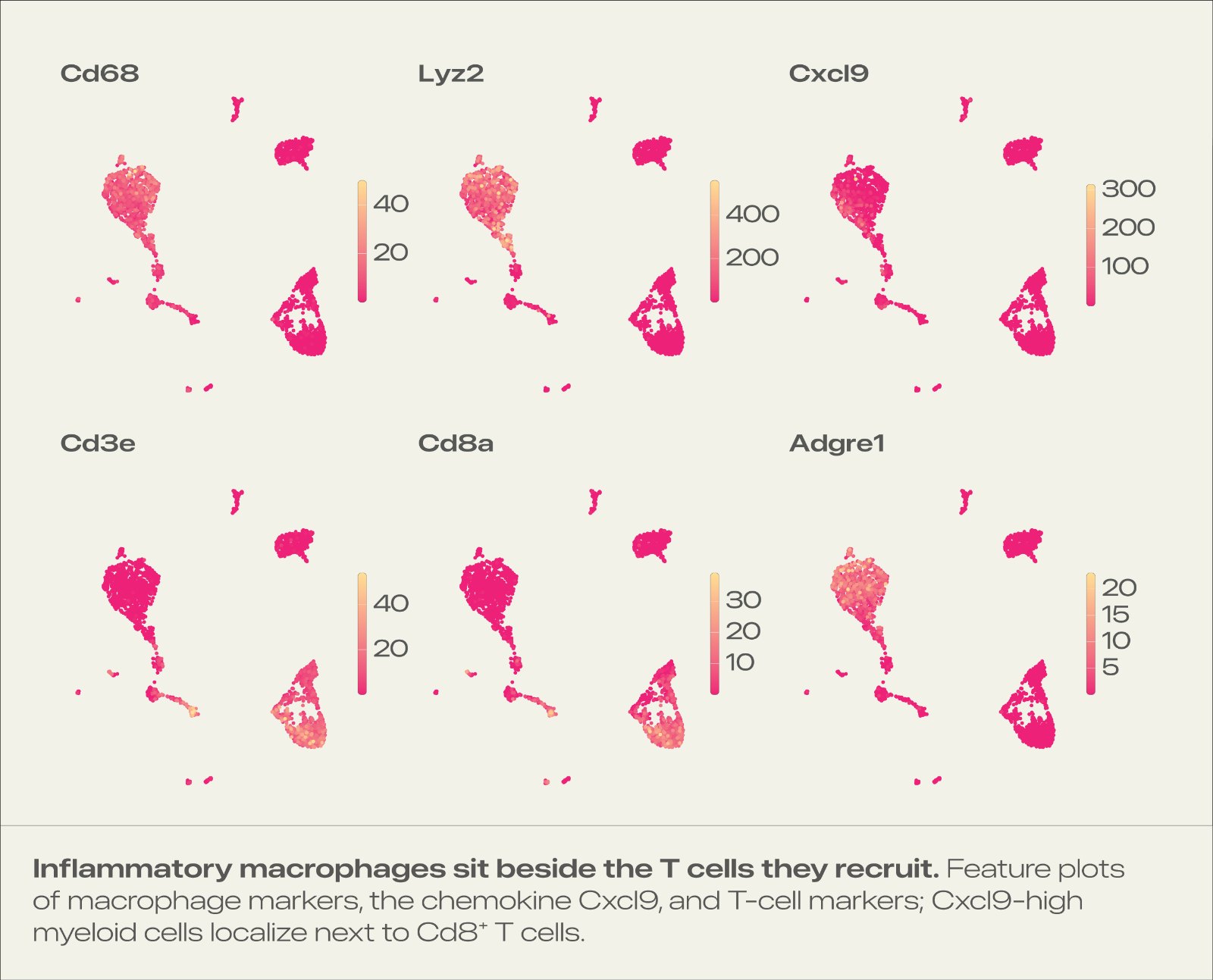
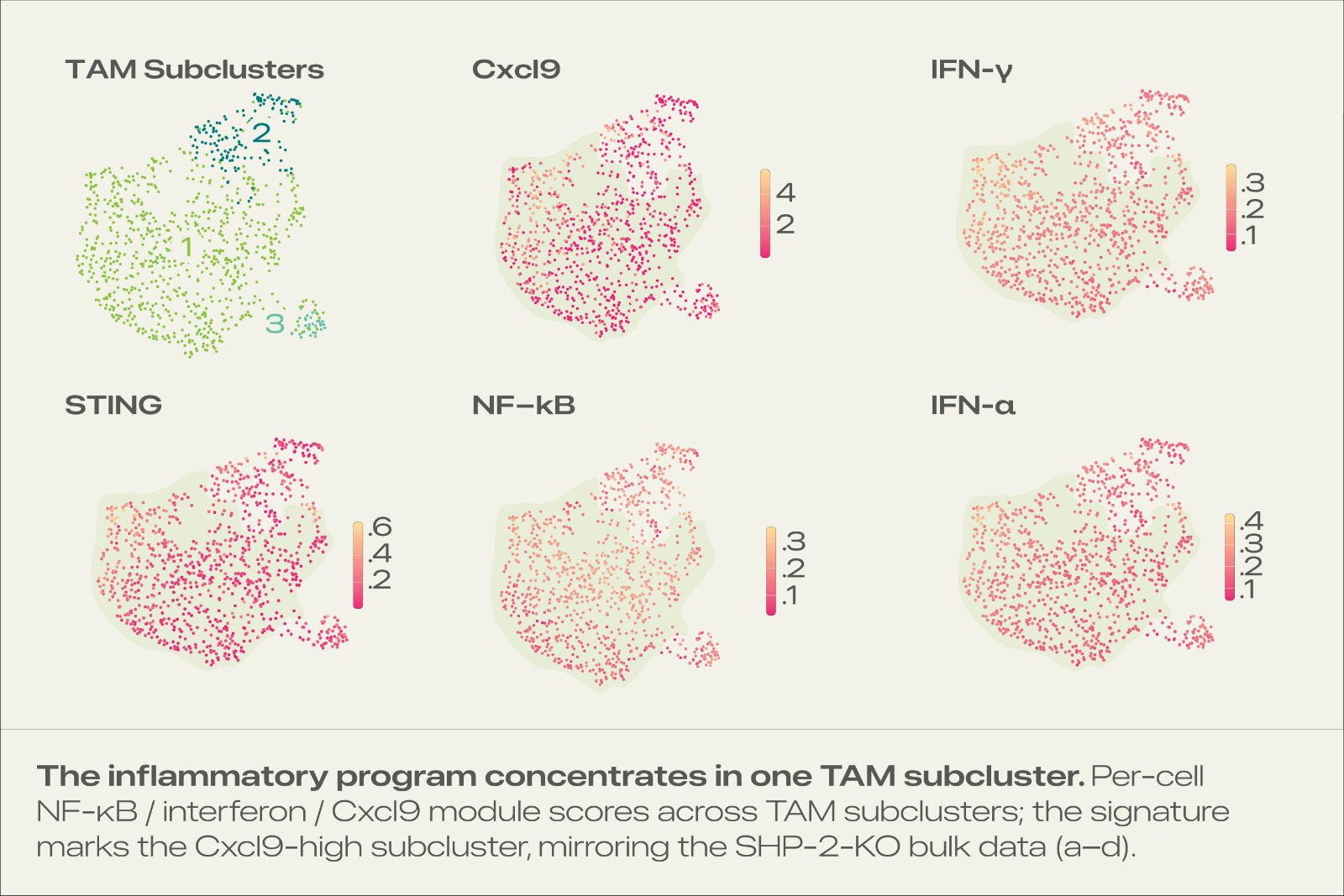
performed differential expression analysis using DESeq2 to identify significantly up- and down-regulated genes from raw count matrices. conducted single-cell clustering, annotation, and trajectory analysis using Seurat. ran gene set enrichment analysis (GSEA/fgsea) against curated pathway databases to interpret differential expression results at the pathway level. inferred transcription-factor activity using VIPER and the DoRothEA regulon database. the analysis shown below reanalyzes public single-cell RNA-seq data from a BRAFV600E melanoma model (NCBI GEO: GSE162467).
Beth Israel Deaconess Medical CenterHarvard Immunology Undergraduate Summer Program
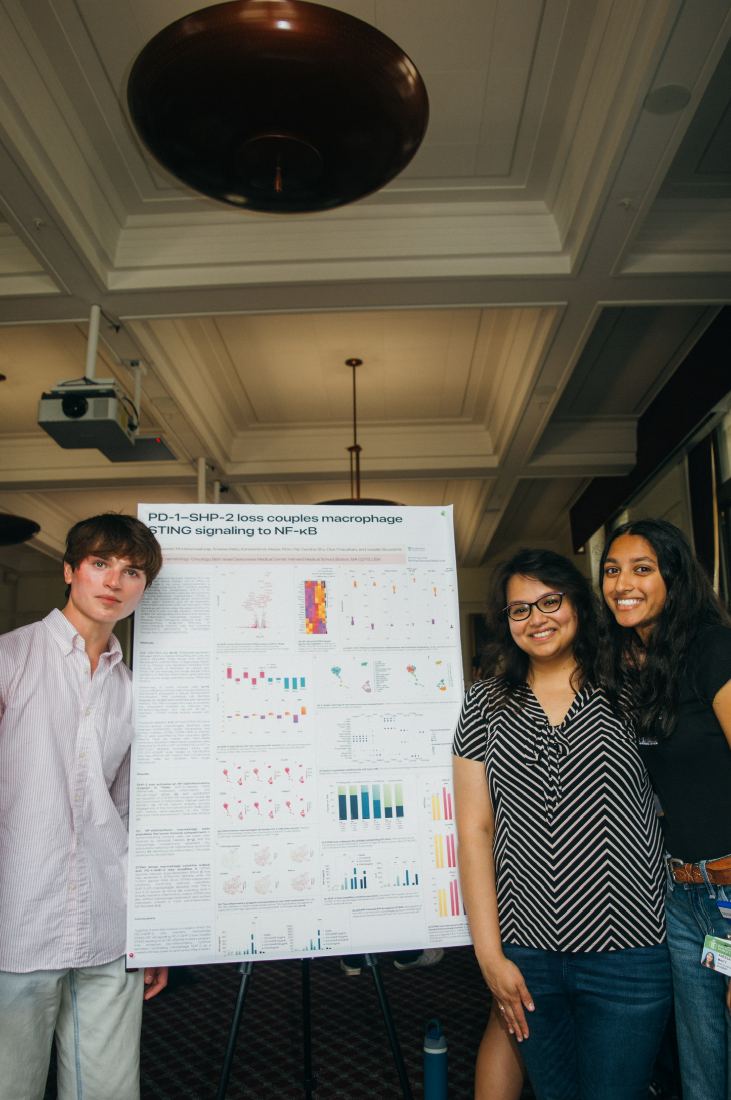
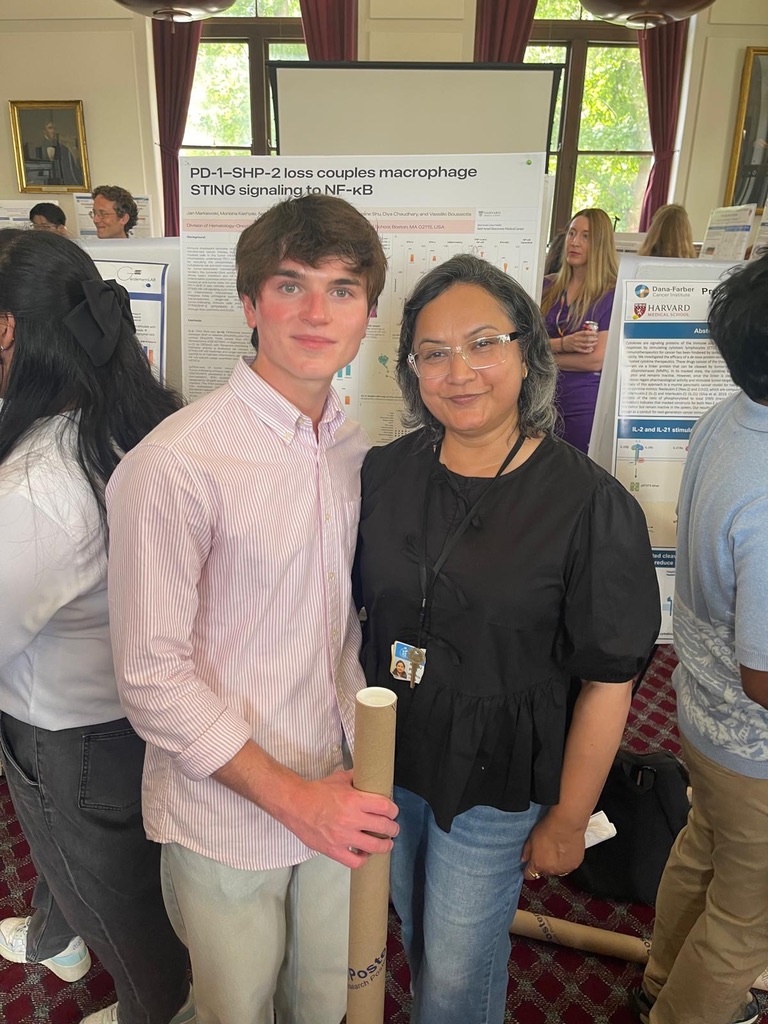
PD-1 is understood almost entirely as a T-cell checkpoint, but it is also expressed on tumor-associated macrophages, where the phosphatase it recruits sits within reach of the innate DNA-sensing machinery. gene-expression and functional readouts both point to SHP-2 tuning how strongly a macrophage converts cytosolic DNA sensing into inflammatory transcription. that nominates it as a myeloid-intrinsic brake on anti-tumor inflammation, and puts innate immunity in the frame for what checkpoint blockade is doing.
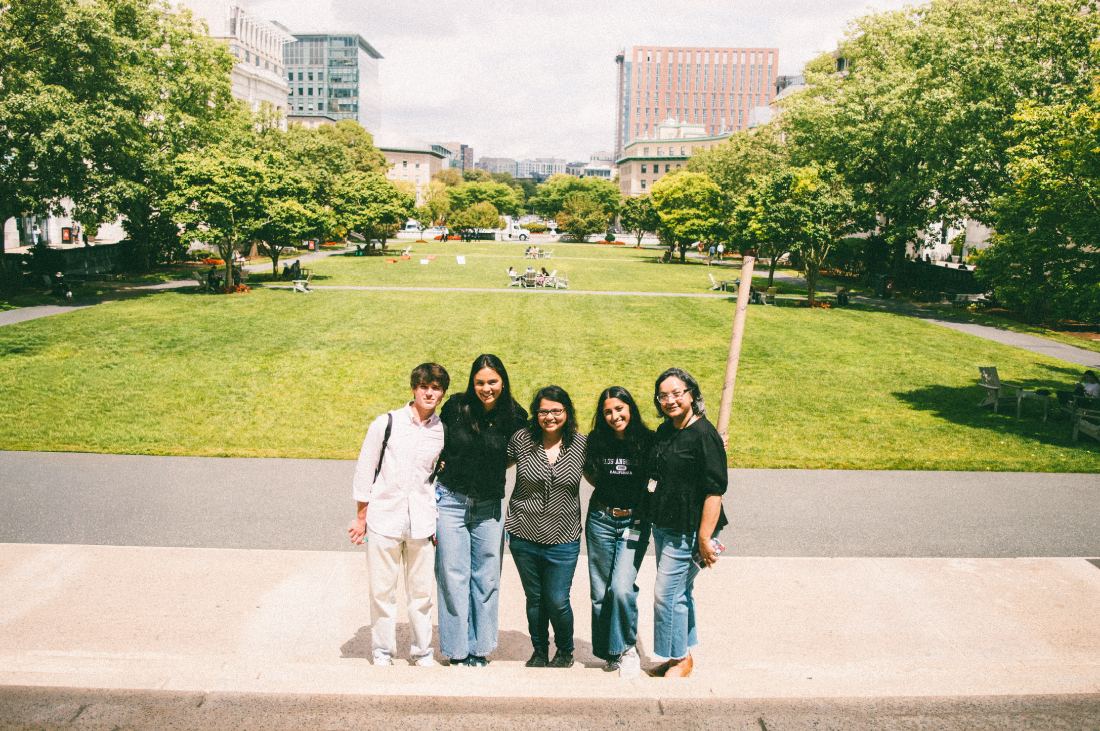
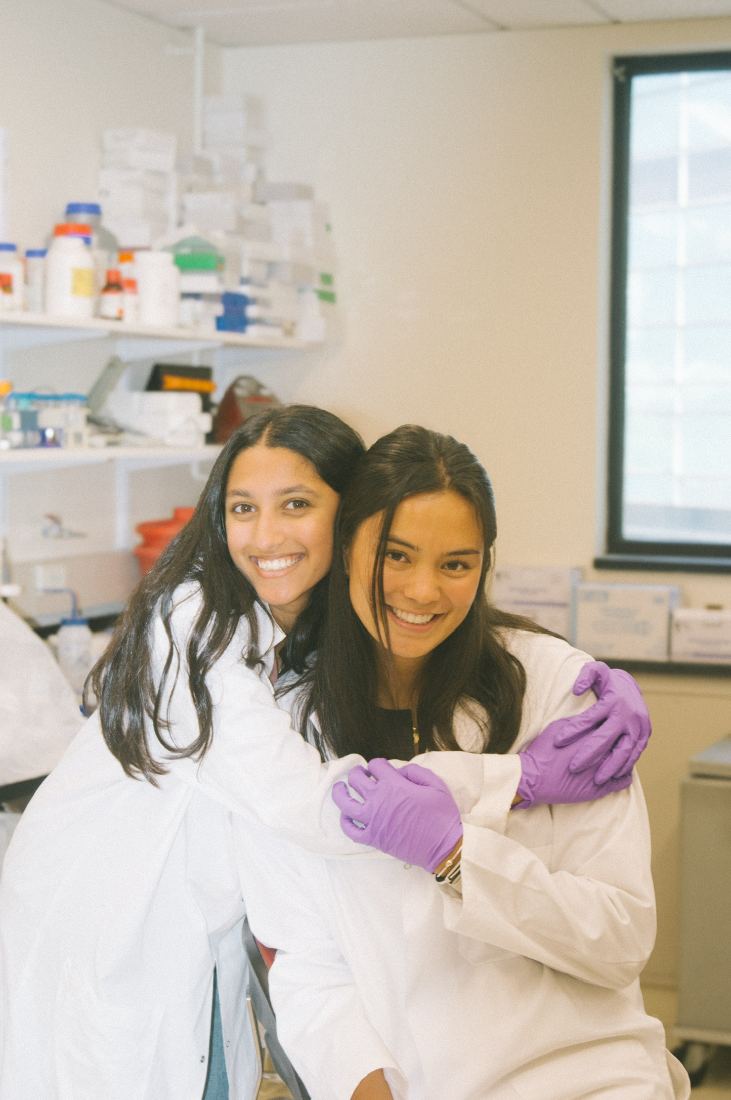
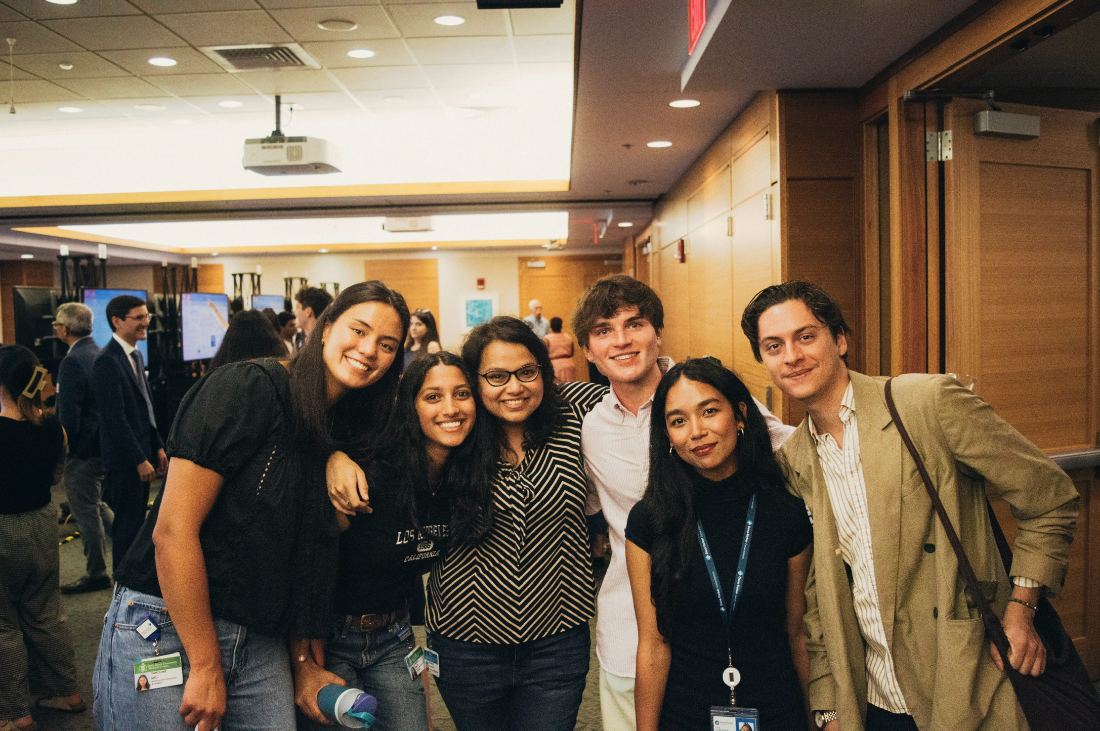
this project came together over 10 weeks through the Harvard Medical School Immunology Undergraduate Summer Program, an internship pairing hands-on bench research with faculty lectures and workshops led by current immunology graduate students. thank you to Monisha Kashyap, Aneesa Maity, Konstantinos Aliazis, Rinku Pal, Caroline Shu, and Diya Chaudhary, and to the lecturers, graduate students, lab technicians, and postdocs who taught along the way, and of course to Dr. Vassiliki Boussiotis for making this opportunity possible!
Texas Tech University Health Sciences Center
research student for the purposes of investigating the mechanisms of P53 codon 72 polymorphism and its downstream effects on renal tumorigenesis.
performed computational analysis of sequencing data in RStudio to identify differential gene expression and enriched signaling pathways.
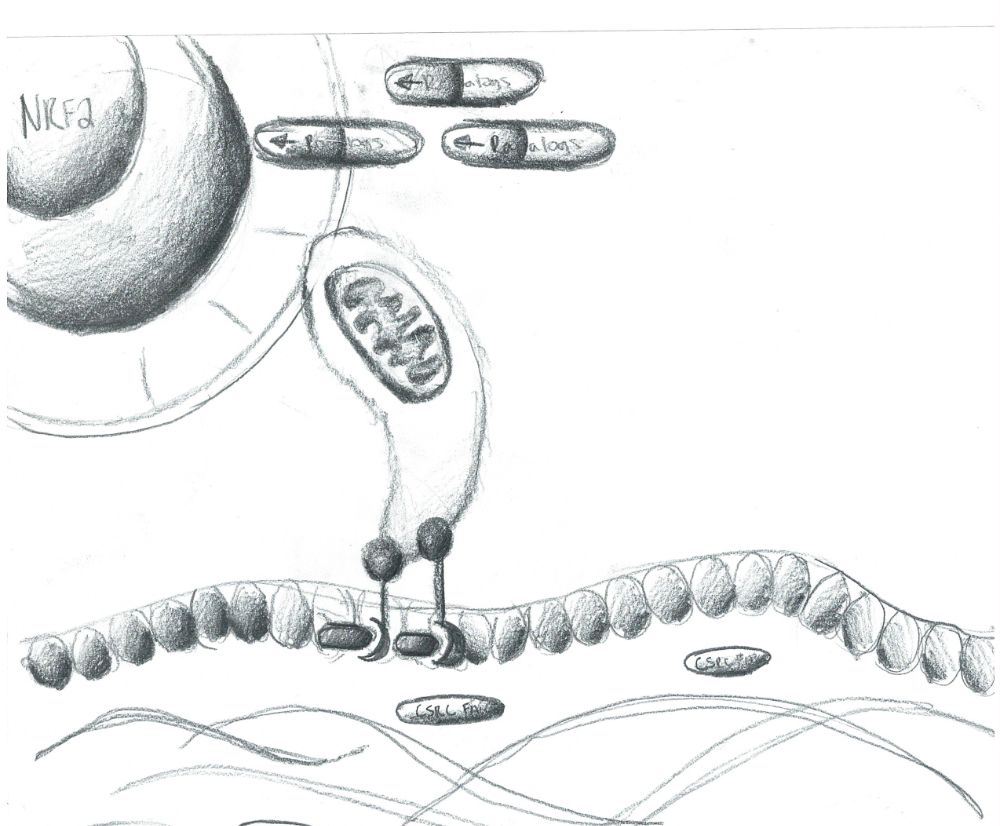
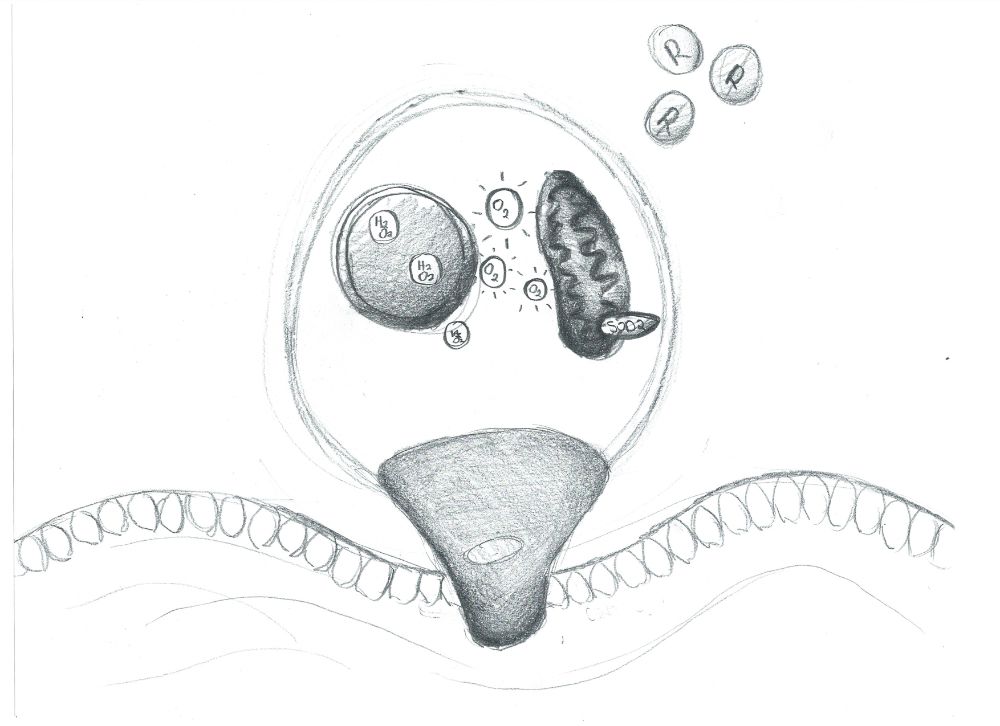
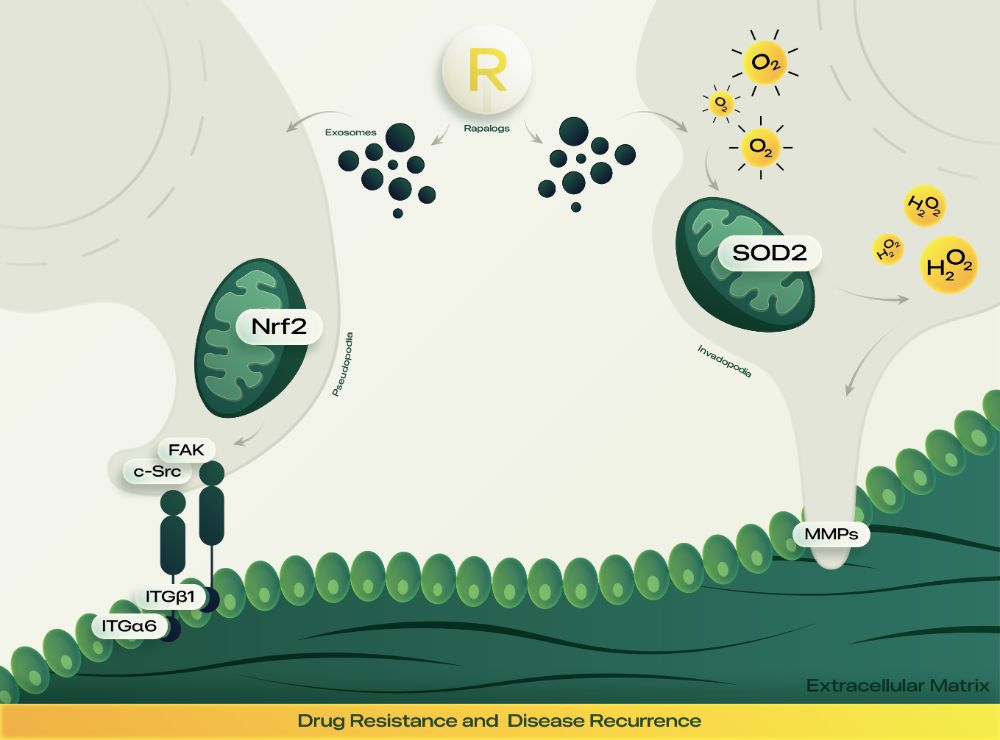
developed scientific figures to be used in publications, graphical abstracts, conference presentations, and grant submissions using Adobe Illustrator.
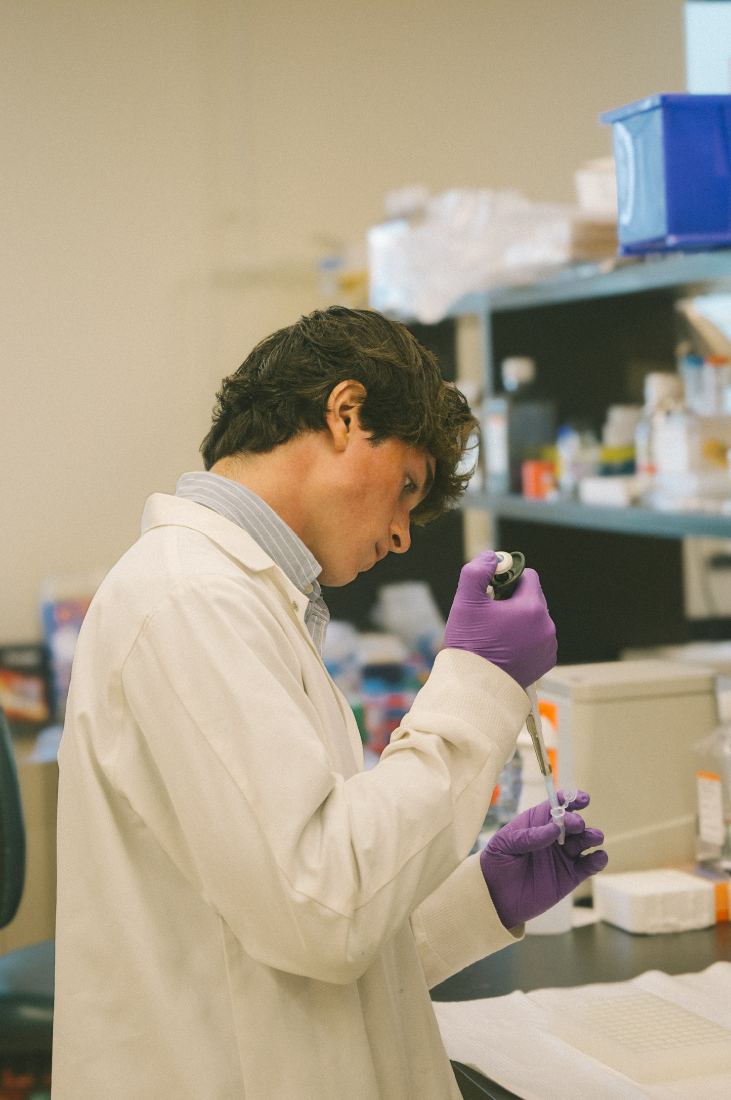
performed quantitative real-time PCR assays to validate transcriptional changes observed in sequencing data. conducted Western blot analyses to quantify protein expression and activation of key molecular signaling pathways. prepared frozen tissue specimens and generated cryosections for later histological and immunostaining applications. performed immunofluorescence staining and confocal microscopy to assess subcellular protein localization and cellular phenotypes. conducted immunohistochemistry staining to evaluate protein expression patterns within tissue microenvironments.
contributed to the preparation and editing of NIH grant proposals by editing scientific text, synthesizing literature, and generating supporting experimental figures.
Beth Israel Deaconess Medical Center
research student with over 100 cumulative hours for the purpose of learning laboratory techniques and understanding different aspects of immunology and tumor immunology.
engaged in extensive literature search, focusing on tumor-infiltrating macrophages and monocytes, Fms-like tyrosine kinase 3 (FLT3) and FLT3 ligand (FL), cancer defense mechanisms, and FLT3 signaling in leukemia. studied cellular components and signaling pathways in the tumor microenvironment, with a focus on dendritic cells. researched immune system components, peripheral lymphoid organs, lymphocyte trafficking, and flow cytometry applications. additionally, studied the innate and adaptive immune systems, including humoral and cell-mediated immunity, and created detailed notes on T and B lymphocytes, their subtypes, and functions.
completed PCR training, covering primer selection, pipetting techniques, and DNA analysis. assisted in numbering tubes, pipetting buffers, and organizing, weaning, and euthanizing mice. conducted gel electrophoresis, including DNA visualization and PCR products.
assisted with various mice work, including cage organization, mice separation, shaving, sedation, and tail cuts. prepared and helped inject mice, arranged cages, and independently tagged, weaned, fed, and provided water to mice.
documented tumor measurements, assisted in mice euthanasia, and observed tumor takedown preparations. observed and assisted in tumor analysis, single cell suspension preparation, cell counts, plate washing, and centrifugation.
understood the principles and foundations of flow cytometry, specifically using the Cytoflex. learned how to perform and understand data analysis, including histogram and dot plot creation, compensation tools, and gating techniques.
Texas Tech University Health Sciences Center
research student with over 120 cumulative hours in digital pathology, western blotting, and statistical data analysis through digital imaging of animal tissue.